High-Risk Pregnancy Care (Maternal-Fetal Medicine)
We care for women with high-risk pregnancies who need extra monitoring, special testing, or advanced treatment before, during, and after birth.
Jackson Health System is Miami’s specialist in high-risk maternity care, which is available throughout our system, at our doctors’ offices, outpatient centers, and hospitals.

Delivering World-Class Care To Patients
Our maternal-fetal medicine (MFM) specialists work with you and your obstetrician to create a plan that keeps you and your baby safe. Because we are part of an academic medical center, our team uses the latest research and technology to guide every decision.
We support families facing complex medical conditions, pregnancies with twins or multiples, and babies who may have health concerns before birth. Whether you need advanced imaging, close monitoring, or access to life-saving therapies, our experts are here to help.
For women whose pregnancies require hospitalization prior to delivery, such as those with high-risk pregnancies or facing high-risk deliveries, The Women’s Hospital at Jackson Memorial offers a dedicated High-Risk Antepartum Unit.
Delivering World-Class Care To Patients
Our maternal-fetal medicine (MFM) specialists work with you and your obstetrician to create a plan that keeps you and your baby safe. Because we are part of an academic medical center, our team uses the latest research and technology to guide every decision.
We support families facing complex medical conditions, pregnancies with twins or multiples, and babies who may have health concerns before birth. Whether you need advanced imaging, close monitoring, or access to life-saving therapies, our experts are here to help.
For women whose pregnancies require hospitalization prior to delivery, such as those with high-risk pregnancies or facing high-risk deliveries, The Women’s Hospital at Jackson Memorial offers a dedicated High-Risk Antepartum Unit.
Accreta Center of Excellence
VBAC Center of Excellence
What To Expect On Your First Visit
On your first visit, new patients can expect to receive evaluations, tests, and consultations based on their individual needs. If you have a pre-existing medical condition or face challenges at any time throughout pregnancy, you can trust the doctors at UHealth Jackson Maternal-Fetal Medicine to keep you and your baby healthy and safe.
What To Expect On Your First Visit
On your first visit, new patients can expect to receive evaluations, tests, and consultations based on their individual needs. If you have a pre-existing medical condition or face challenges at any time throughout pregnancy, you can trust the doctors at UHealth Jackson Maternal-Fetal Medicine to keep you and your baby healthy and safe.
Our Services
We care for pregnancies that need extra attention, including:
- Advanced maternal age pregnancy – Pregnancies for women 35 and older, with added monitoring.
- Cancer in pregnancy – Coordinated care between oncology and MFM teams for safe treatment plans.
- Complex maternal conditions – Guidance and monitoring if mom has a genetic disorder or preexisting conditions like heart disease, infectious diseases including HIV/AIDS, and more.
- Diabetes management in pregnancy – Helping you control blood sugar to protect your baby’s health.
- Hypertension disorders – Managing high blood pressure, preeclampsia, and related complications.
- Infertility – Support with reproductive issues or difficulty becoming pregnant.
- Multiple gestation – Expert care for twins, triplets, or higher-order multiples.
- Placenta-related complications – Monitoring placenta previa, accreta, and other concerns.
- Recurrent pregnancy loss or pre-term labor – Evaluation and support for families with early labor or multiple miscarriages.
- Thrombophilias and blood-clotting disorders – Specialized care for conditions that affect how your blood clots.
- Vasa previa – Early diagnosis and planning to keep mom and baby safe during delivery.
- Vaginal Birth After Previous C-Section (VBAC)
Advanced Testing and Imaging
We offer the most accurate tools to diagnose and monitor your pregnancy:
- High-resolution ultrasound testing – Detailed images to check baby’s growth and development.
- Nuchal translucency testing – Early screening for certain genetic conditions.
- Cell-free DNA testing – A safe blood test that screens for common chromosomal conditions.
- Doppler studies – Measures blood flow to make sure the baby is getting enough oxygen and nutrients.
- Amniocentesis – A test that checks the baby’s chromosomes or for infections.
- Chorionic villus sampling (CVS) – An early test to learn about genetic conditions.
- Fetal MRI – A detailed scan that can show conditions ultrasound may not fully explain.
- Prenatal diagnosis and management – A personalized plan if a condition is identified.
- Pre-conception consultations – Guidance before pregnancy for women with medical or genetic concerns.
Genetic Counseling
Our genetic counselors help you understand screening results, family history, and what to expect if a genetic condition is present. They support you in making informed decisions throughout your pregnancy.
Description
Our Services
We care for pregnancies that need extra attention, including:
- Advanced maternal age pregnancy – Pregnancies for women 35 and older, with added monitoring.
- Cancer in pregnancy – Coordinated care between oncology and MFM teams for safe treatment plans.
- Complex maternal conditions – Guidance and monitoring if mom has a genetic disorder or preexisting conditions like heart disease, infectious diseases including HIV/AIDS, and more.
- Diabetes management in pregnancy – Helping you control blood sugar to protect your baby’s health.
- Hypertension disorders – Managing high blood pressure, preeclampsia, and related complications.
- Infertility – Support with reproductive issues or difficulty becoming pregnant.
- Multiple gestation – Expert care for twins, triplets, or higher-order multiples.
- Placenta-related complications – Monitoring placenta previa, accreta, and other concerns.
- Recurrent pregnancy loss or pre-term labor – Evaluation and support for families with early labor or multiple miscarriages.
- Thrombophilias and blood-clotting disorders – Specialized care for conditions that affect how your blood clots.
- Vasa previa – Early diagnosis and planning to keep mom and baby safe during delivery.
- Vaginal Birth After Previous C-Section (VBAC)
Advanced Testing and Imaging
We offer the most accurate tools to diagnose and monitor your pregnancy:
- High-resolution ultrasound testing – Detailed images to check baby’s growth and development.
- Nuchal translucency testing – Early screening for certain genetic conditions.
- Cell-free DNA testing – A safe blood test that screens for common chromosomal conditions.
- Doppler studies – Measures blood flow to make sure the baby is getting enough oxygen and nutrients.
- Amniocentesis – A test that checks the baby’s chromosomes or for infections.
- Chorionic villus sampling (CVS) – An early test to learn about genetic conditions.
- Fetal MRI – A detailed scan that can show conditions ultrasound may not fully explain.
- Prenatal diagnosis and management – A personalized plan if a condition is identified.
- Pre-conception consultations – Guidance before pregnancy for women with medical or genetic concerns.
Genetic Counseling
Our genetic counselors help you understand screening results, family history, and what to expect if a genetic condition is present. They support you in making informed decisions throughout your pregnancy.
Advanced Fetal Care and Treatments
Jackson Health System and UHealth also offers expert fetal care at the UHealth Jackson Fetal Care Center. Our specialists provide advanced in-utero therapies and interventions to help babies facing complex health challenges before birth.
Learn more about our team and our services on the Fetal Care page.
Description
Advanced Fetal Care and Treatments
Jackson Health System and UHealth also offers expert fetal care at the UHealth Jackson Fetal Care Center. Our specialists provide advanced in-utero therapies and interventions to help babies facing complex health challenges before birth.
Learn more about our team and our services on the Fetal Care page.
For Patients Considering Vaginal Birth After Previous Cesarean Section (VBAC)
Jackson Health System fully supports VBAC deliveries. If you have a history of Cesarean delivery, it may be possible to experience natural childbirth with your next baby.
Each Jackson maternity program supports VBAC as a safe choice in accordance with American College of Obstetricians and Gynecologists’ practice guidelines.
Request an appointment with one of our maternal-fetal medicine specialists to find out if a VBAC procedure is right for you.
Description
For Patients Considering Vaginal Birth After Previous Cesarean Section (VBAC)
Jackson Health System fully supports VBAC deliveries. If you have a history of Cesarean delivery, it may be possible to experience natural childbirth with your next baby.
Each Jackson maternity program supports VBAC as a safe choice in accordance with American College of Obstetricians and Gynecologists’ practice guidelines.
Request an appointment with one of our maternal-fetal medicine specialists to find out if a VBAC procedure is right for you.
Meet our Maternal-Fetal Medicine Specialists
Our board-certified doctors in maternal-fetal medicine, as well as obstetrics and gynecology, help thousands of women every year as they plan for and manage high-risk pregnancies.
You are just about to enter a carousel of physicians.

Maternal-Fetal Medicine, Obstetrics & Gynecology

Maternal-Fetal Medicine, Obstetrics & Gynecology

Critical Care Medicine, Maternal-Fetal Medicine, Obstetrics & Gynecology

Maternal-Fetal Medicine

Certified Nurse Midwife, Maternal-Fetal Medicine
Maternal-Fetal Medicine, Obstetrics & Gynecology

Maternal-Fetal Medicine, Obstetrics & Gynecology

Maternal-Fetal Medicine, Obstetrics & Gynecology

Maternal-Fetal Medicine, Obstetrics & Gynecology

Maternal-Fetal Medicine, Obstetrics & Gynecology

Maternal-Fetal Medicine, Obstetrics & Gynecology
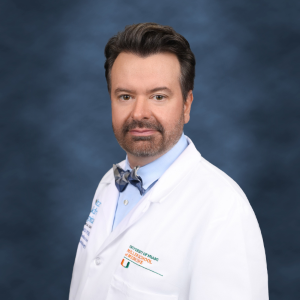
Maternal-Fetal Medicine, Obstetrics & Gynecology
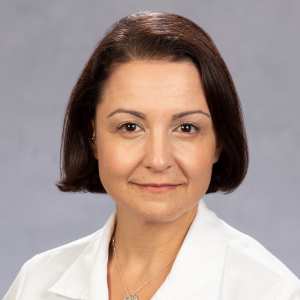
Maternal-Fetal Medicine

Maternal-Fetal Medicine, Obstetrics & Gynecology

Maternal-Fetal Medicine, Obstetrics & Gynecology

Maternal-Fetal Medicine
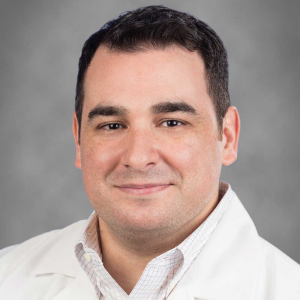
Maternal-Fetal Medicine
Frequently Asked Questions
High-Risk Pregnancy Care
Accordion
A high-risk pregnancy is term that’s used when a medical condition, complication, or family history means you or your baby may need extra monitoring or treatment. Our maternal-fetal medicine team provides specialized care to keep both of you safe.
Your obstetrician may refer you to an MFM doctor if you are 35 or older, pregnant with twins or multiples, have high blood pressure or diabetes, had pregnancy losses, or if an ultrasound shows a possible concern with your baby.
We offer many tests including high-resolution ultrasounds, cell-free DNA testing, nuchal translucency testing, fetal MRI, amniocentesis, and chorionic villus sampling. Your team of doctors will help choose the safest and most helpful options.
Yes. Our team performs advanced fetal procedures and surgeries, including spina bifida repair, EXIT procedures, twin-to-twin transfusion laser surgery, in-utero transfusion therapy, and more.
Yes. Fetal MRIs provide detailed images when ultrasound alone is not enough. This helps us plan the safest care for you and your baby.
Absolutely. We partner with OB/GYNs across South Florida and beyond to provide testing, second opinions, and advanced care when needed.
What is Placenta Accreta?
Accordion
The placenta, commonly known as the afterbirth, is an organ that develops in your uterus during pregnancy. This structure provides oxygen and nutrients to your growing baby and removes waste products from your baby’s blood. The placenta attaches to the wall of your uterus, and your baby’s umbilical cord arises from it.
During the last stage of labor, the placenta will separate from the wall of the uterus, and contractions will help push it out of the birth canal after childbirth.
Sometimes, the placenta is attached deep into the uterus, and it doesn’t completely separate from the uterus during delivery, which can cause dangerous bleeding. This is referred to as Placenta Accreta Spectrum (PAS) also known as placenta accreta, placenta increta or placenta percreta depending on how deep it is attached.
Research has yet to prove why a placenta accreta will occur; however, it often happens in women who have had a prior cesarean section or surgery on the uterus, such as removal of fibroids or multiple dilation and curettage.
The layer behind the lining of the uterus called endometrium is injured during a cesarean section and it doesn’t heal back completely, leaving a space for the placenta to attach to directly and grow deeper into the muscle of the uterus.
Historically, placenta accreta was diagnosed at the time of delivery and attempts to remove the placenta would lead to profuse hemorrhaging, requiring emergent hysterectomy to preserve the mother’s life. Now, placenta accreta can be diagnosed with an ultrasound during pregnancy.
With early diagnosis, lifesaving plans can be put in place to minimize the risks to you and your baby throughout your pregnancy and delivery.
No treatment is available during the pregnancy, but several treatment options are available during delivery.
Our team at the Placenta Accreta Spectrum (PAS) Center can help to devise a plan of management that will best suit your case and be the safest for you and your baby.
Once you are diagnosed with placenta accreta, you will meet with all the team members and understand the step-by-step process until your delivery, as well as have contingency plans for any emergency delivery.
Our multidisciplinary team of experts includes your maternal-fetal medicine specialist, gynecological oncologist, anesthesiologist, urologist, radiologist/interventional radiologist, critical care, Ryder Trauma team, neonatologists, transfusion medicine specialist, and Center for Bloodless Surgery. The team has extensive experience with placenta accreta spectrum and have treated many patients that have cases similar to yours. The multidisciplinary team at UHealth/Jackson has been working together for several years and has extensive experience in cesarean hysterectomy and uterine preservation surgery – a procedure in which the placenta is left inside the uterus (“in situ”) and your uterus is saved.
At UHealth/Jackson we have an established Placenta Accreta Spectrum (PAS) program with standardized protocols and proven outcomes. Our patients deliver at a state-of-the-art facility with access to critical support resources, including 24/7 blood bank and transfusion services. In addition, at UHealth/Jackson a placenta accreta laboratory is in place with extensive translational innovative research in the field.
Most often the recovery is similar to a cesarean section. You’ll most likely stay in the hospital for three to five nights after delivery. Very rarely, some women will need to stay in the intensive care unit for a day or two to help them recover from blood loss.
The risks of placenta accreta can be serious and can expand beyond the mother to the newborn. If an emergency C-section is required during the pregnancy, the baby might be delivered prematurely and require care in the neonatal intensive care unit (NICU) at Holtz Children’s Hospital. Risks for the mother can include:
- Damage to the uterus and surrounding organs
- Loss of fertility due to the need of a hysterectomy (removal of uterus)
- Excessive bleeding that requires a blood transfusion
- Death
Delayed interval hysterectomy is a treatment plan that involves delivering the baby and leaving placenta inside the uterus (“in situ”) with expectation to perform hysterectomy at a later time, when the risk of blood loss and tissue damage may be decreased. While still considered investigational, this approach can be a strategy for placenta accreta cases with severe invasions.
We will do our best to preserve the uterus, however, most cases of accreta require hysterectomy. In rare and individualized cases, conservative and expectant management may be considered. Conservative management is when a portion of the placenta is removed, expectant management is when the placenta is left inside the uterus. According to the American College of Obstetricians & Gynecologists (ACOG) and the Society of Maternal Fetal Medicine (SMFM): conservative management or expectant management should be considered only for carefully selected cases of placenta accreta spectrum after detailed counseling about the risks, uncertain benefits, and efficacy and should be considered investigational.
Yes, most women are able to produce breast milk after an accreta delivery, even if it involved a hysterectomy. Our lactation consultant can assist you in this process. Keep in mind that placenta accreta moms often have many factors that can make breastfeeding more challenging (premature baby, blood loss at delivery, etc.), so be kind to yourself and know that we are here to help you in any way possible.
Getting Ready for Your Little Miracle
Take a tour of our labor and delivery suites, or enroll in educational seminars, breastfeeding classes, or prenatal education. We have everything you will need to prepare for your special delivery! Please call 305-585-4MOM (4666) or register online at:
You are just about to enter a carousel of 1 locations.
The Women’s Hospital | Jackson Memorial
1611 NW 12th Ave., East Tower, Miami, FL, 33136
Open 24 hours
See Our Little Miracles
You are just about to enter a carousel of 4 patient stories.