Excessive Heat and Pregnancy
Prolonged exposure to heat can be dangerous for you and your baby.
Focus on prevention. Recognize the early warning signs. Have a heat action plan.
Prolonged exposure to heat can be dangerous for you and your baby.
Focus on prevention. Recognize the early warning signs. Have a heat action plan.
Understanding Excess Heat Exposure
Many parts of the U.S. have been experiencing record-breaking temperatures. During extreme heat, the body works harder to maintain a normal temperature. Pregnancy can make you more vulnerable to heatstroke and heat exhaustion, so it’s crucial to protect yourself and your baby during warmer months.
Tips for Staying Safe in the Heat
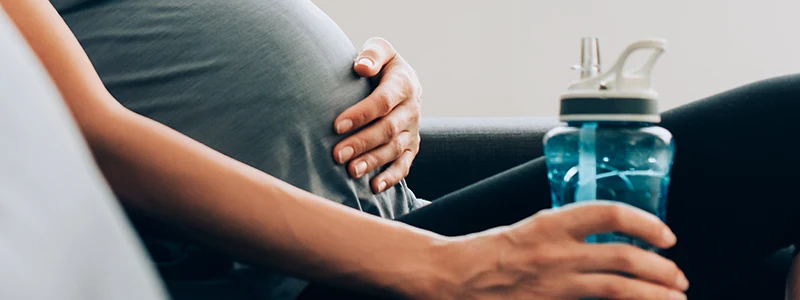
Stay Hydrated
Drink at least eight to ten glasses of water a day, and increase this amount if you’re sweating more than usual.

Dress Appropriately
Wear loose-fitting, light-colored clothing to help your body stay cool.

Avoid Peak Heat
Stay indoors during the hottest parts of the day, typically between 10 a.m. and 4 p.m. If you have to be outside, stay in the shade whenever possible.
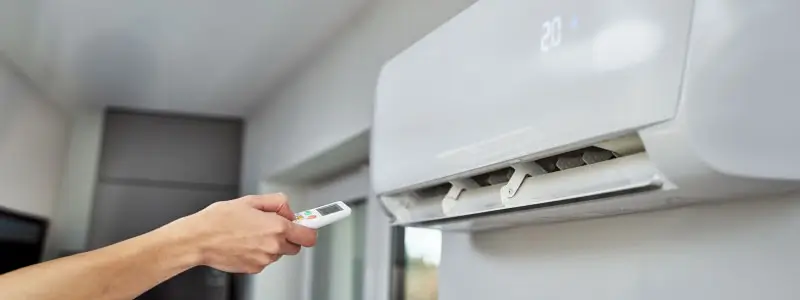
Use Fans and Air Conditioning
Ensure your environment is cool. Use fans, air conditioning, or cooling cloths to help manage your body temperature.
Take Cool Showers or Baths
These can help lower your core body temperature.
Recognizing Dehydration and Heat Illness
Dehydration can escalate heat exposure risks. Signs to watch out for include:

Contractions and cramping

Dark yellow urine or lower urine production

Dizziness or light-headedness

Dry mouth and lips

Nausea and/or vomiting

Fatigue and headaches

Swelling
Heat Exhaustion Symptoms

Heavy sweating

Weakness

Muscle cramps

Nausea

Fainting
Heatstroke Symptoms

High body temperature (above 103°F)

A fast pulse

Confusion
Loss of consciousness

Understanding Heat Exposure and Its Risks:
Lengthy heat exposure may increase the risk of dehydration, preterm labor, and heatstroke. High maternal body temperatures, especially in the first trimester, have been linked to defects in developing babies, as well as stillbirth and low birth weight.
By understanding the risks associated with heat exposure and taking proactive steps to stay cool and hydrated, you can protect yourself and your baby during pregnancy.
Always consult with your healthcare provider for personalized advice and support. Seek medical help when necessary.